
At some point in the next audit cycle, someone from your audit firm will point at a number and ask how it got there. That question used to have a boring answer. A staff accountant built the rec and a manager signed off. Now the honest answer might include an agent.
Consider a bank reconciliation for a mid-size subsidiary. An AI agent matches 4,000 transactions, flags 37 exceptions, resolves 31 based on prior-period patterns, and drafts a memo on the remaining six. The senior accountant reviews and approves the memo by day three. When the auditor requests the 31 cleared items and their supporting logic, it becomes clear that only the agent reviewed them, with no human oversight.
Variance commentary presents similar risks. An agent drafts the explanation for why operating expenses exceeded the plan by 8%, the FP&A lead makes minor edits, and the commentary is included in the board deck. While the explanation may be well-written, its accuracy depends on the accounts and periods the agent reviewed, any omissions, and whether prompts changed between reporting periods.
Audit inquiries quickly become specific: where did AI influence the numbers, and who reviewed its output? The challenge is providing a clear audit trail, including prompts, inputs, model version, exceptions not escalated, and evidence of thorough review. Many teams can provide some of this information, but few can provide all of it. Stating that “the agent handled it” is not sufficient as a control description.
Integrating AI into the close process is feasible. The review must focus on the agent’s output, supported by documentation that meets audit sampling requirements. Successful companies involve auditors early and jointly establish documentation standards before fieldwork begins. If your auditor has already requested the prompt log, you are familiar with this process.
The panel
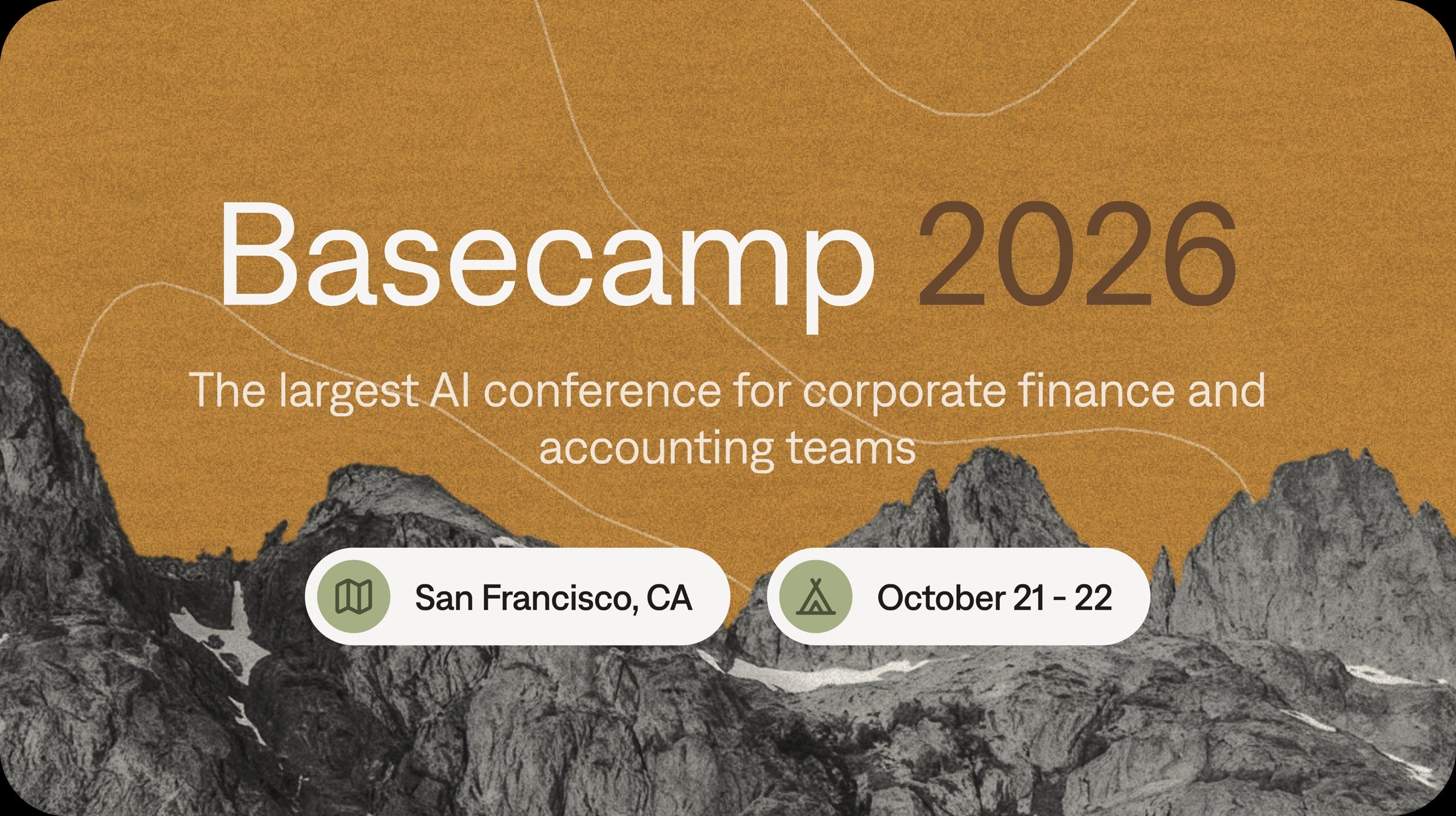
That’s the conversation I’ll moderate at Basecamp, Campfire’s flagship conference for finance and accounting leaders building the AI-native finance function. The session is Writing the Playbook for AI-Enabled Audits, Thursday, Oct. 22, in San Francisco.
AI is showing up in the audit process faster than the rules can keep up, and auditors and finance teams are both working it out in real time. We’ll sort what’s expected today from what’s still untested, then get practical:
The evidence auditors expect when AI is in the close
How to document review and sign-off so it holds up under scrutiny
Which close tasks are ready for AI now, and which need more controls first
What to start documenting this year so next year’s audit goes smoothly
On stage with me:
Sameer Syed, CPA, Chief Accounting Officer at Zip
Jeff Jenkins, Partner at Deloitte
Emily Miller, CPA, Chief Accounting Officer at Nourish
Two chief accounting officers who own the close, plus an audit partner who sees it from the other side of the table. Bring the question your team keeps arguing about ... this is the room for it.
About Basecamp
Basecamp runs October 21–22 in San Francisco and brings together 400+ finance and accounting leaders. The lineup includes CFOs and finance leaders from Coinbase, Toast, ServiceNow, Plaid and more, plus a fireside chat with Elena Gomez, President & CFO of Toast, on leading finance through hypergrowth. Every attendee goes through a brief vetting process to keep the conversations peer-level (so the person next to you at the coffee station probably has a close coming up too).
Register
Use code GLENNHOPPER50 for 50% off your ticket at campfire.ai/basecamp, while tickets last.
I hope to see you there.